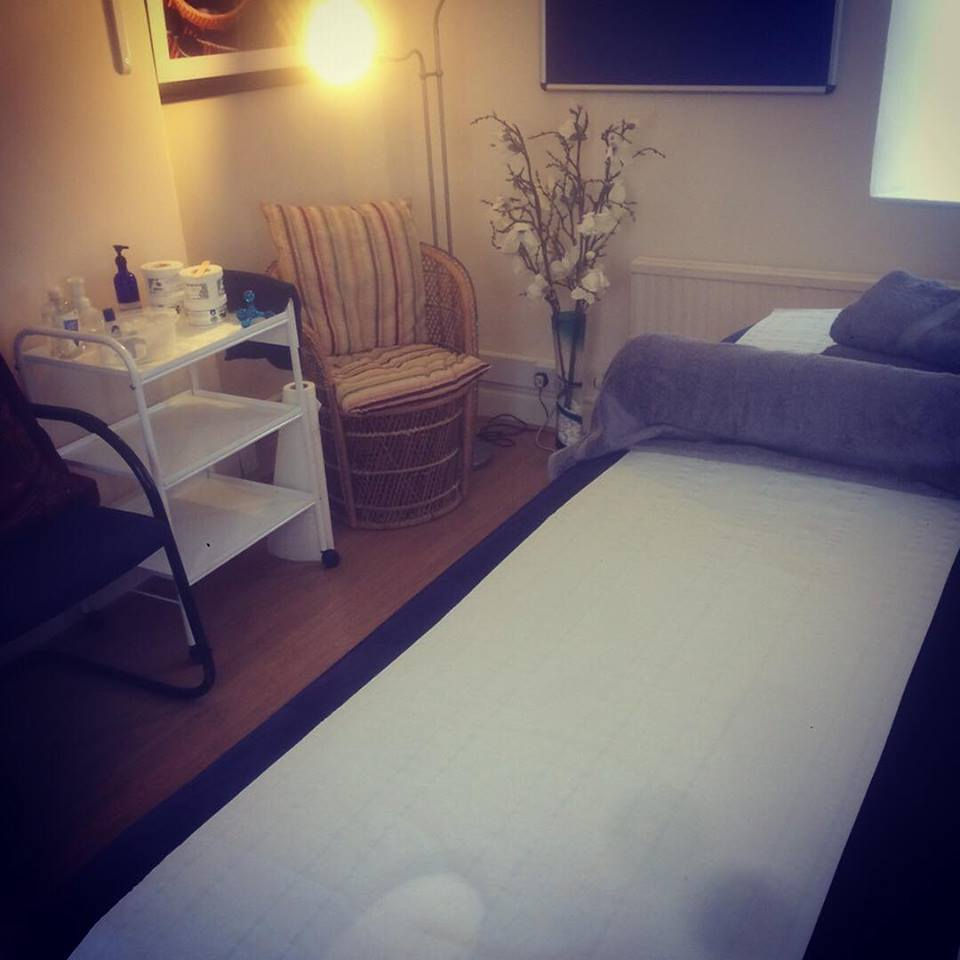
Sports Massage Benefits for Recovery Flexibility and Performance
Training hard is only half the story. The body also needs time, blood flow, sleep, food, and the right kind of recovery work to adapt. When muscles feel heavy, joints feel stiff, or a small niggle keeps returning, sports massage can be a useful part of the plan.
Sports massage is not just for elite athletes. Runners, cyclists, gym-goers, footballers, swimmers, weekend hikers, and people with physically demanding routines can all use it to support recovery and movement. The aim is simple: help soft tissue feel and function better, so training feels more consistent and less restricted.
What sports massage actually does
Sports massage uses hands-on techniques to work with muscles, tendons, fascia, and other soft tissues. It can include long gliding strokes, kneading, compression, gentle stretching, trigger point work, and joint movement. A good therapist adjusts the pressure and style to match the person, the sport, and the goal of the session.
The pressure should feel purposeful, not punishing. Some areas may feel tender, especially after hard training or on tight muscle groups, but more pain does not mean better results. Good treatment should feel controlled, specific, and useful.
Sports massage may be used:
After heavy training blocks
Before or after events
During periods of increased mileage or gym volume
To ease general muscle tightness
Alongside injury rehabilitation, when advised by a suitable professional
As part of a wider recovery routine
It works best when combined with the basics: enough sleep, sensible training load, hydration, good nutrition, mobility work, and rest days. Massage cannot cancel out poor recovery habits, but it can help the body feel less guarded and more ready to move.
How sports massage supports recovery
Post-exercise soreness can make the next session feel harder than it should. Sports massage may help reduce the feeling of tightness and soreness after training, especially when used at the right time and at the right intensity.
One reason people feel better after massage is improved local circulation. Hands-on pressure and movement can encourage blood flow to the area being treated. Blood carries oxygen and nutrients that tissues need, while movement of fluid may help with the feeling of heaviness after exercise.
Massage may also calm the nervous system. Hard training can leave the body feeling alert, tense, and overworked. Slow, controlled soft tissue work can help shift the body into a more relaxed state. That can make muscles feel less protective and more comfortable.
Common recovery benefits include:
Less perceived muscle soreness
Reduced feeling of stiffness
Improved sense of relaxation
Better awareness of tight or overloaded areas
Support for easier movement the next day
Research suggests massage may help with perceived soreness after exercise, although results vary by person, timing, and type of training. It is best seen as one tool, rather than a guaranteed fix.
When to book a recovery massage
Timing matters. A deep massage straight after a brutal race or intense strength session may feel too aggressive. In many cases, lighter work soon after exercise is more suitable, while deeper work can wait until the body has settled.
A useful guide is:
Timing | Best approach | Good for |
Same day after training | Light, flushing work | Relaxation and easing heaviness |
24 to 48 hours later | Moderate pressure | General soreness and stiffness |
Midweek between sessions | Targeted work | Tight areas and movement limits |
Rest day | Mixed pressure | Resetting before the next training block |
Why massage can improve flexibility and range of motion
Flexibility is not just about stretchy muscles. It also involves the nervous system, joint movement, tissue tolerance, breathing, and how safe the body feels in a position. Sports massage can support flexibility by reducing unnecessary muscle tension and helping the body tolerate movement more comfortably.
For example, tight hamstrings may not only be “short”. They may be protective because the pelvis, lower back, or calves are under load. A therapist can work around the whole chain rather than treating one sore spot in isolation.
Sports massage may help flexibility by:
Reducing muscle tone in overworked areas
Improving comfort during stretching
Helping joints move through a smoother range
Releasing protective tension around sensitive muscles
Improving body awareness
This is especially useful for sports that ask for repeated positions. Cyclists spend long periods with the hips flexed. Runners often load calves and hip flexors heavily. Lifters may need good ankle, hip, and shoulder mobility for safe positions under load. Swimmers often deal with shoulder and uper back tightness.
Massage alone will not create lasting flexibility if the body never uses the new range. The best results usually come when treatment is followed by movement.
How to make flexibility gains last
After massage, the body may feel looser for a while. That window is a good time to practise gentle mobility and controlled movement.
Good post-massage options include:
Light walking
Easy cycling
Gentle yoga or mobility drills
Controlled bodyweight squats
Band work for shoulders or hips
Breathing drills to relax the ribs and trunk
Avoid turning the session into a hard workout straight away. The aim is to teach the body that the new range is safe and useful.
A simple example for tight calves:
Book massage on a lighter training day.
Use gentle calf raises after the session.
Add ankle mobility drills for a few minutes.
Keep the next run easy.
Repeat consistently, rather than only when pain appears.
This turns massage from a short-term relief tool into a useful part of movement care.
The link between massage and performance
Better performance often comes from consistency. Consistent training builds fitness, strength, skill, and confidence. If sports massage helps someone recover better, move more freely, and manage small areas of tension, it may support better training quality over time.
The direct performance effect of massage is not always easy to measure. A single treatment will not turn a tired athlete into a faster one overnight. The value is more practical: feeling prepared enough to train well again, noticing issues early, and maintaining movement quality.
Sports Massage Benefits for Recovery Flexibility and Performance are closely linked. Faster recovery can support more consistent training. Better flexibility can improve movement efficiency. Reduced tension can make technique feel smoother.
Pre-event massage
Pre-event massage is usually lighter and faster than a recovery session. The goal is to prepare the body, not leave it heavy or sore. It may include brisk strokes, gentle mobilisation, and sport-specific movements.
This can be useful before:
A race
A match
A lifting competition
A long ride
A demanding training session
The session should be familiar. Trying deep sports massage for the first time just before an important event is risky. The body may respond with soreness or fatigue. It is better to test the approach during training weeks first.
Maintenance massage
Maintenance massage is booked regularly, often every few weeks, depending on training load and budget. It focuses on common problem areas before they become bigger issues.
A runner may use maintenance work for calves, glutes, hip flexors, and feet. A climber may need forearms, shoulders, chest, and upper back work. A desk-based strength athlete may benefit from work around the hips, spine, and shoulders.
The key is pattern recognition. Over time, a therapist may notice that one side tightens faster, one hip loses rotation, or one calf becomes sensitive after speed work. Those observations can help guide training, mobility, and recovery choices.
What to expect during a sports massage session
A good session starts with a short conversation. The therapist should ask about training, recent events, discomfort, medical history, and what the client wants from the treatment. They may also look at basic movement, posture, or range of motion.
From there, treatment should match the goal. Recovery work may feel broad and calming. Performance preparation may feel lighter and more active. Work for a tight area may feel more targeted.
During the session, communication matters. Speak up if pressure feels too much, too light, too sharp, or not useful. “Deep” should not mean gritting teeth until it ends. Productive discomfort is different from pain.
After the session, it is common to feel:
Looser
Sleepy or relaxed
Slightly tender in treated areas
More aware of posture or movement
Thirsty, especially after a longer session
Mild tenderness can happen, but it should settle. Heavy bruising, sharp pain, numbness, or worsening symptoms are not normal goals of sports massage.
What to do after treatment
Post-session care does not need to be complicated.
Helpful choices include:
Drink water as normal
Eat a balanced meal
Keep movement light for the rest of the day
Avoid hard training if the massage was deep
Use gentle mobility to explore the new range
Sleep well if possible
If an important session or event is coming up, book massage far enough ahead to see how the body responds. Many people prefer deeper work at least a couple of days before hard performance, but individual response varies.
When sports massage may not be suitable
Sports massage is generally safe when carried out by a trained professional, but there are times when it should be delayed or adapted.
Avoid massage over areas with:
Sudden swelling
Fresh bruising or open wounds
Suspected fracture
Severe acute pain
Skin infection
Unexplained calf pain with swelling or heat
Fever or feeling unwell
People with certain medical conditions, blood clot risk, recent surgery, or complex health concerns should seek medical advice before treatment. Pregnancy also calls for a therapist trained in pregnancy massage, with suitable positioning and pressure.
Massage should never be used to push through a serious injury. Pain is information. If pain is sharp, increasing, or linked with weakness, numbness, or loss of function, get it checked.
How to choose the right sports massage therapist
The right therapist should listen well, explain clearly, and adapt treatment to the person in front of them. Qualifications and experience matter, but so does the way they communicate.
Look for someone who:
Has suitable training in sports massage or soft tissue therapy
Takes a proper history before treatment
Asks about sport, workload, and goals
Explains what they are doing and why
Welcomes feedback on pressure
Gives simple aftercare advice
Refers on when symptoms need medical assessment
A therapist does not need to promise dramatic results to be good. In fact, be careful with anyone who claims to “break down scar tissue” in one session, fix every injury, or guarantee performance improvements. The body is more complex than that.
Good sports massage feels collaborative. The therapist brings skill and knowledge. The client brings feedback, training context, and consistency.

Building sports massage into a recovery routine
Sports massage works best when it has a clear purpose. Random sessions can still feel good, but planned sessions are more useful.
A simple monthly approach might look like this:
Training phase | Massage focus | Session style |
Base training | General maintenance | Moderate full-leg or full-body work |
Heavy block | Recovery support | Lighter work between hard sessions |
Taper week | Freshness and mobility | Gentle, familiar techniques |
Post-event | Soreness and relaxation | Light to moderate recovery massage |
Return from niggle | Support movement quality | Targeted work with rehab exercises |
For someone training three or four times a week, a massage every three to six weeks may be enough. During heavier blocks, more frequent sessions may help. Others only book when a specific area starts to feel restricted. There is no perfect schedule.
The best question is not “How often should I get a massage?” It is “What do I need this session to help with?”
That answer shapes the treatment.
The real value of sports massage
The main benefit of sports massage is not magic tissue repair. It is better recovery support, improved comfort, and clearer feedback from the body. That can make training feel more manageable and movement feel less restricted.
For recovery, massage may reduce the feeling of soreness and help the body relax after hard work. For flexibility, it can reduce protective tension and make mobility work more effective. For performance, it supports the consistency that progress depends on.
The strongest results come when massage sits inside a wider routine:
Train at a sensible load
Sleep enough
Eat well
Move regularly
Warm up properly
Respect pain signals
Use massage with a clear goal
Sports massage is not a shortcut, but it can be a valuable support. Used well, it helps the body feel ready for the next run, lift, ride, match, or session. And for most active people, being able to keep showing up well is where real progress begins.


Comments